

Joint pain caused by arthritis, injury, or degeneration can severely affect daily life. For many patients, knee and hip replacement surgery becomes the most effective solution. In recent years, the introduction of robotic technology has transformed orthopedic care, offering improved precision and better outcomes.
Understanding the Benefits of Robotic-Assisted Joint Surgery helps patients make informed decisions about their treatment options. This advanced surgical method is changing how orthopedic procedures are performed across the world.
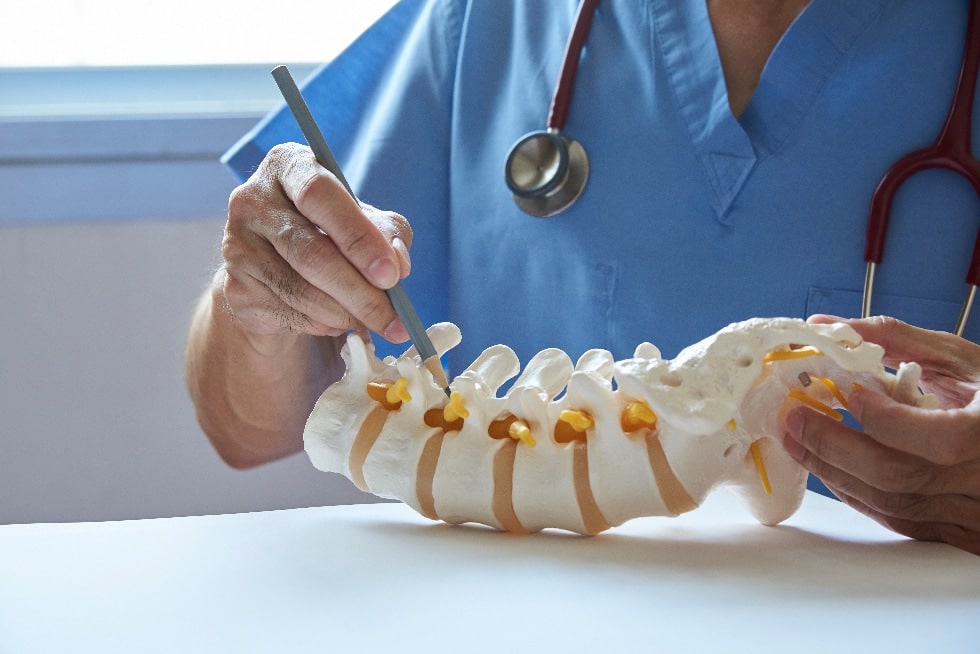
What is Robotic-Assisted Joint Surgery?
Robotic-assisted joint surgery is an advanced technique where surgeons use robotic systems to perform knee or hip replacement procedures with high precision. It is important to note that the robot does not perform surgery independently. Instead, it acts as a highly accurate tool controlled by an experienced orthopedic surgeon.
This technology allows for better planning, precise bone cutting, and accurate implant positioning, which leads to improved long-term results.
Key Benefits of Robotic-Assisted Joint Surgery
1. High Surgical Precision
One of the most important Benefits of Robotic-Assisted Joint Surgery is unmatched precision. The robotic system creates a 3D model of the patient’s joint, allowing surgeons to plan the procedure in detail before making any incision.
This results in:
- Accurate bone alignment
- Perfect implant positioning
- Reduced human error
Better precision leads to improved joint function after surgery.

Read More:
| Early Warning Signs of Carpal Tunnel Syndrome |
| Best Shoes for People with Knee Pain |
| How to Prevent Sports Injuries in Children |
| How to Speed Up Recovery After Orthopedic Surgery |
2. Smaller Incisions and Less Tissue Damage
Traditional joint replacement surgery often requires larger incisions. In contrast, robotic-assisted procedures are minimally invasive.
This offers several advantages:
- Less damage to surrounding muscles and tissues
- Reduced blood loss during surgery
- Smaller scars after healing
This is one of the most appreciated Benefits of Robotic-Assisted Joint Surgery, especially for patients concerned about recovery and aesthetics.
3. Faster Recovery Time
Patients undergoing robotic-assisted surgery often recover faster compared to traditional methods. Because the procedure is more precise and less invasive, the body experiences reduced trauma.

Recovery benefits include:
- Early walking ability
- Shorter hospital stay
- Faster return to daily activities
This makes it ideal for active individuals who want to regain mobility quickly.
- For best Ortho and Gyno services: www.sunshinemultispecialityclinic.com
- For The Best IVF Treatment:https://firstopinionfertility.com/
The Best Ivf Spelist: https://dryaminiagarwal.com/
4. Reduced Post-Surgery Pain
Another major advantage among the Benefits of Robotic-Assisted Joint Surgery is reduced pain after the operation. Since muscles and tissues are preserved more effectively, patients experience:
- Less inflammation
- Lower pain levels
- Reduced need for strong pain medications
This improves overall patient comfort during the healing process.

5. Better Implant Longevity
Accurate implant placement plays a crucial role in how long a joint replacement lasts. Robotic assistance ensures that implants are positioned with extreme accuracy, reducing wear and tear over time.
This leads to:
- Longer-lasting joint replacements
- Reduced risk of early revision surgery
- Improved joint stability
Long-term success is one of the most significant Benefits of Robotic-Assisted Joint Surgery.
6. Improved Joint Function and Movement
Because the alignment and balance of the joint are more precise, patients often experience better mobility after recovery.
This includes:
- Smoother joint movement
- Better walking pattern
- Improved flexibility and strength
Patients often report feeling that the replaced joint feels more “natural.”
7. Personalized Surgical Planning
Every patient has a unique joint structure. Robotic systems allow surgeons to create a personalized surgical plan based on detailed scans.
This ensures:
- Customized implant sizing
- Accurate correction of deformities
- Better balance between stability and movement
Personalization is one of the modern Benefits of Robotic-Assisted Joint Surgery that improves surgical success rates.
8. Lower Risk of Complications
With improved precision and reduced tissue damage, the risk of complications is significantly lower.
Possible benefits include:
- Reduced infection risk
- Lower chances of implant misalignment
- Decreased blood loss complications
This makes robotic-assisted procedures safer for many patients.
9. Better Outcomes in Complex Cases
Patients with severe deformities, obesity, or previous failed surgeries often benefit more from robotic-assisted techniques.
This technology helps surgeons:
- Navigate complex anatomy
- Correct severe joint misalignment
- Achieve better surgical accuracy in difficult cases
This expands the possibilities of successful treatment in high-risk patients.
10. Higher Patient Satisfaction
Ultimately, one of the most important Benefits of Robotic-Assisted Joint Surgery is improved patient satisfaction. Better mobility, less pain, and faster recovery all contribute to a better quality of life.
Patients often report:
- Greater confidence in walking
- Return to normal lifestyle activities
- Improved emotional well-being after recovery
Is Robotic-Assisted Joint Surgery Right for Everyone?
While robotic surgery offers many advantages, it may not be necessary for every patient. The decision depends on:
- Severity of joint damage
- Age and activity level
- Bone quality
- Overall health condition
A skilled orthopedic surgeon evaluates each case individually before recommending the best approach.
Conclusion
The field of orthopedics has evolved significantly with the introduction of advanced technologies. The Benefits of Robotic-Assisted Joint Surgery include higher precision, faster recovery, reduced pain, and improved long-term joint performance.
For patients suffering from chronic knee or hip problems, this modern surgical option offers hope for a more active and pain-free life. As technology continues to improve, robotic-assisted procedures are becoming a trusted choice in advanced orthopedic care.
Consulting an experienced orthopedic specialist is the first step toward understanding whether this approach is suitable for your condition and how it can improve your quality of life.
