

Are Custom Orthotics Worth It?
Foot pain can make ordinary activities—standing at work, walking to the market, climbing stairs or exercising—uncomfortable. When someone is told that a custom orthotic may help, a natural question follows: is a specially made shoe insert worth the extra cost, or would a standard insole do the job?
The answer depends on the foot condition, the person’s symptoms, footwear, activity and the purpose of the device. Custom orthotics can be useful for selected problems, but they are not automatically better for everyone.

What are orthotics?
Orthotics are devices worn inside footwear or around a limb to support, align, accommodate or improve function. This article focuses on foot orthoses—shoe inserts designed to influence how the foot is supported during standing and walking.
Custom-made orthotics
These are individually prescribed and manufactured using measurements, an impression or a digital assessment of the foot. Their shape and materials are selected for a particular clinical need.
Prefabricated or over-the-counter insoles
These are ready-made inserts available in standard sizes and shapes. Some provide cushioning, arch support or heel support. For certain people, a suitable prefabricated insert may offer adequate comfort and function at a lower cost.
What problems may orthotics help with?
Depending on the diagnosis and design, an orthotic may be considered to:
- Provide support for a foot or ankle that needs additional stability.
- Accommodate certain foot shapes or deformities.
- Redistribute pressure across areas of the foot.
- Improve comfort during standing, walking or selected activities.
- Assist with symptoms associated with some foot and ankle conditions.
Orthotics are not a universal treatment for heel pain, flat feet, knee pain or back pain. Evidence differs by diagnosis, and an insert that helps one condition may not help another. For example, research reviews have found benefits in some specific groups but uncertain or limited benefit in others.
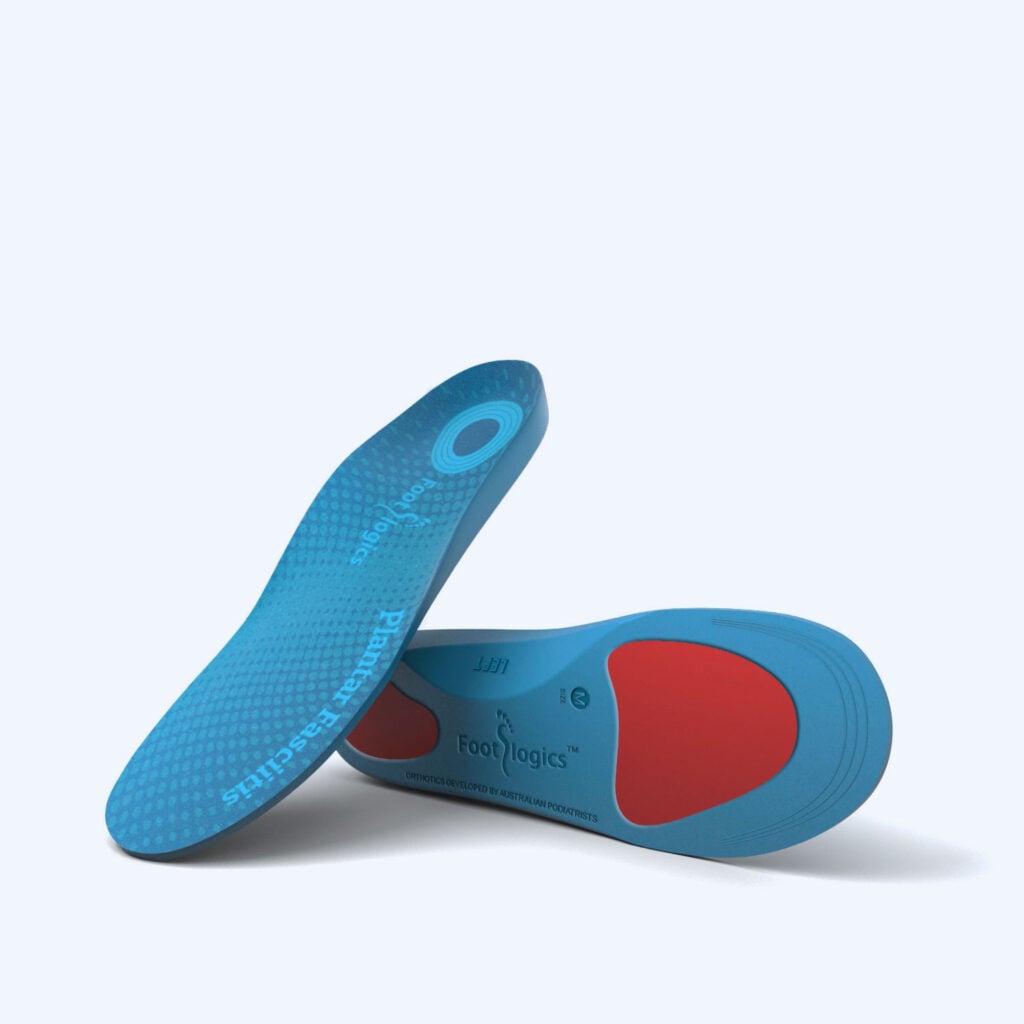
Are custom orthotics better than regular insoles?
Not necessarily. Custom devices can be designed for an individual’s foot shape and clinical requirements, and may be appropriate when a specific correction or accommodation is needed. However, they are usually more expensive. In some situations, an off-the-shelf insert can be similarly useful, particularly when combined with suitable footwear, stretching or exercise.
The important question is not whether an orthotic is custom-made, but whether the device addresses the actual cause of the person’s symptoms and whether it improves function.
How do you know if you need custom orthotics?
An assessment may include a review of the pain location, duration, activity triggers, footwear and previous treatment. A clinician may examine foot shape, joint movement, skin pressure areas, ankle stability and walking pattern. Further tests are considered only when the clinical findings suggest they are needed.
Custom orthotics may be considered when a diagnosed foot or ankle problem requires an individualised device, when standard options have not provided adequate support, or when pressure needs to be accommodated in a particular way. People with diabetes, reduced sensation, circulation problems or skin breakdown should seek professional advice before using inserts that may alter pressure on the foot.
What should you consider before buying?
- Diagnosis: Identify the cause of the pain rather than buying an insert based only on a marketing claim.
- Footwear: The shoe must have enough room and a suitable shape to accommodate the device.
- Comfort: A new orthotic may require a gradual adjustment period, but persistent pain, rubbing or skin irritation should be reviewed.
- Function: Consider whether it improves walking, standing or the activity that matters to you.
- Cost and replacement: Ask about materials, expected durability, review appointments and whether adjustments are included.
- Other treatment: Orthotics may be only one part of care, alongside footwear changes, strengthening, stretching or treatment of an underlying condition.
Can orthotics cause problems?
A poorly selected or poorly fitting insert can cause discomfort, rubbing, blisters, pressure areas or changes in walking mechanics. Stop using a device and seek advice if you develop persistent pain, skin damage, new numbness or worsening symptoms. Do not assume that discomfort means the device is working.
Are orthotics useful for knee or back pain?
Some people assume that changing foot support will automatically correct knee alignment or relieve back pain. That is not guaranteed. The relationship between foot mechanics and pain elsewhere in the body is complex. Orthotics should not be prescribed as a general solution for every knee or back complaint; the evidence and clinical indication need to be considered for the specific condition.
Frequently Asked Questions
How long do custom orthotics last?
Durability depends on the materials, design, frequency of use, body weight, activity and changes in foot shape. Ask the prescribing clinician or manufacturer how often the device should be reviewed.
Do I need a prescription for custom orthotics?
For a device intended to treat a medical problem, professional assessment is advisable so the design matches the diagnosis and the person’s needs.
Can I wear orthotics in any shoe?
No. Some shoes do not have enough depth or a removable insole. The device should fit securely without crowding the toes or lifting the heel out of the shoe.
Should I wear orthotics all day immediately?
Many people are advised to build up wear time gradually, depending on the device and condition. Follow the specific instructions provided and report persistent discomfort.
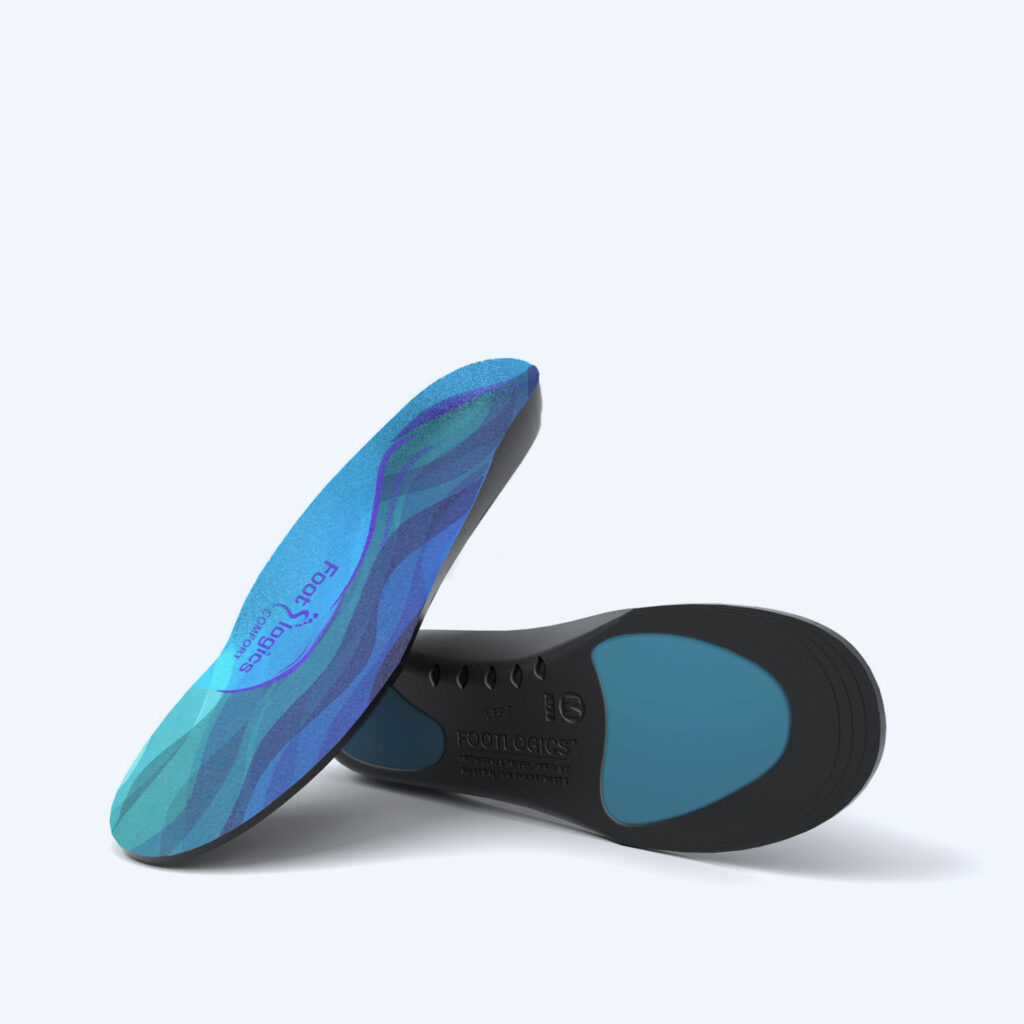
Are expensive orthotics always better?
No. Price alone does not establish clinical value. The best option is the least complicated device that safely meets the person’s needs.
Conclusion
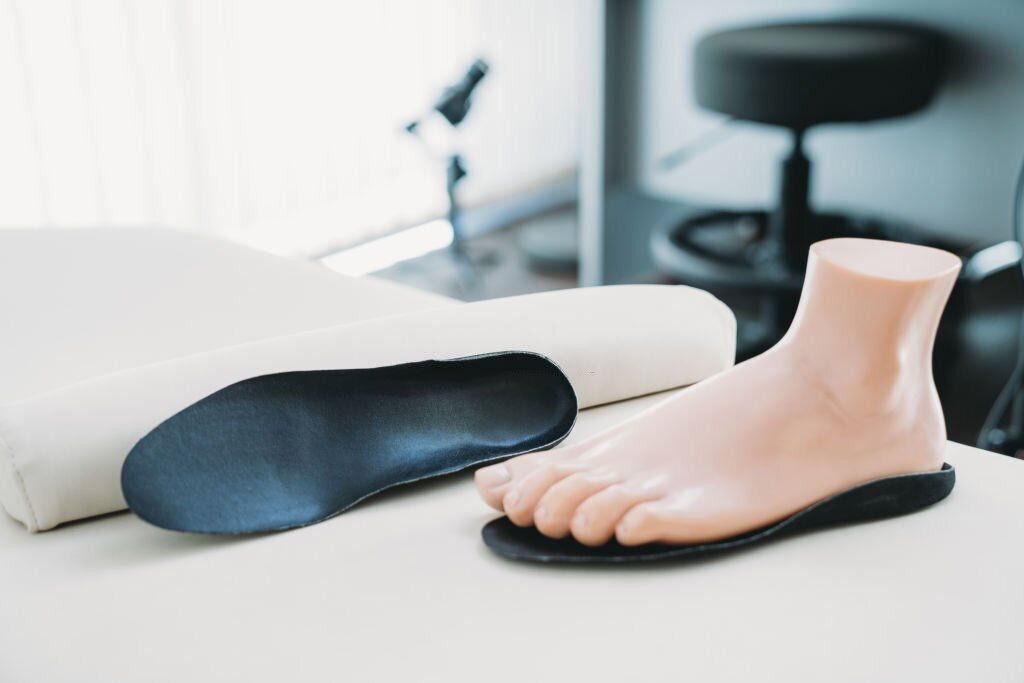
Custom orthotics can be worth the investment when a specific foot or ankle condition calls for an individually designed support or pressure accommodation. They may not offer extra benefit over a suitable standard insert in every case. A clear diagnosis, appropriate footwear, realistic expectations and follow-up are more important than choosing the most expensive device.
If foot or ankle pain is affecting walking or daily activities, an orthopaedic assessment can help determine whether footwear changes, exercise, a prefabricated insert, custom orthotics or another treatment is appropriate. Read more about orthopaedic diagnostics and physiotherapy.
Further reading: AAOS: Orthotics · Cochrane: Custom-made foot orthoses for foot pain
