

How to Safely Return to Sports After an Injury
Being able to walk without pain is an encouraging milestone after a sports injury, but it does not always mean the body is ready for sprinting, jumping, tackling or rapid changes of direction. Returning too quickly can expose a healing muscle, ligament, tendon or joint to more load than it can manage.
A safe return is usually a gradual process. It considers the injury, the demands of the sport, physical recovery and confidence—not simply the number of weeks since the injury occurred.

Why returning too soon can be risky
Pain may settle before strength, balance, coordination and sport-specific capacity have fully recovered. An athlete may manage normal daily activities but still struggle with repeated acceleration, landing, pivoting or contact. Fatigue can also affect movement control late in a training session.
Returning before adequate rehabilitation may increase the risk of aggravating the original injury or developing another problem. On the other hand, avoiding all activity for too long can lead to loss of strength and fitness. The goal is a planned progression at the right time.
Step 1: Understand the injury and its healing needs
Different injuries require different timelines and precautions. A mild muscle strain, ankle sprain, fracture, meniscus injury and ACL tear are not interchangeable. The clinician will consider the tissue involved, severity, treatment received, healing progress and any associated damage.
Seek assessment if there is marked swelling, inability to bear weight, joint instability, locking, deformity, significant bruising or persistent pain after an injury. Do not use a return-to-play timetable from another athlete as your own clearance.
Step 2: Restore everyday movement first
Before sport-specific drills, the athlete should generally be able to manage essential daily activities with symptoms under control. Depending on the injury, this may include walking, climbing stairs, reaching, squatting or using the affected limb without a major limp or protective movement pattern.
Step 3: Rebuild mobility, strength and balance
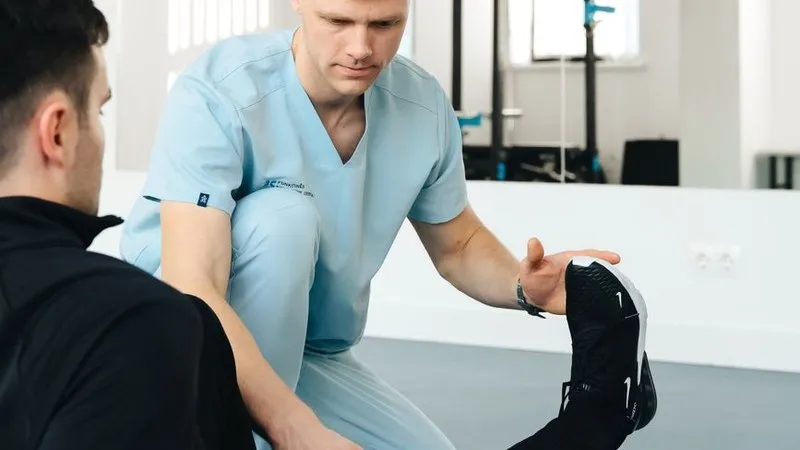
Rehabilitation may include restoring joint range of motion, strengthening the muscles around the injured area, improving balance and retraining coordination. The exercises should match the injury and the sport. Progression is based on movement quality and response to training, not simply on completing a fixed number of repetitions.
For lower-limb injuries, clinicians may assess single-leg control, landing mechanics, calf and thigh strength, and the ability to change direction. For shoulder or upper-limb injuries, throwing, pushing, pulling and overhead control may be relevant.
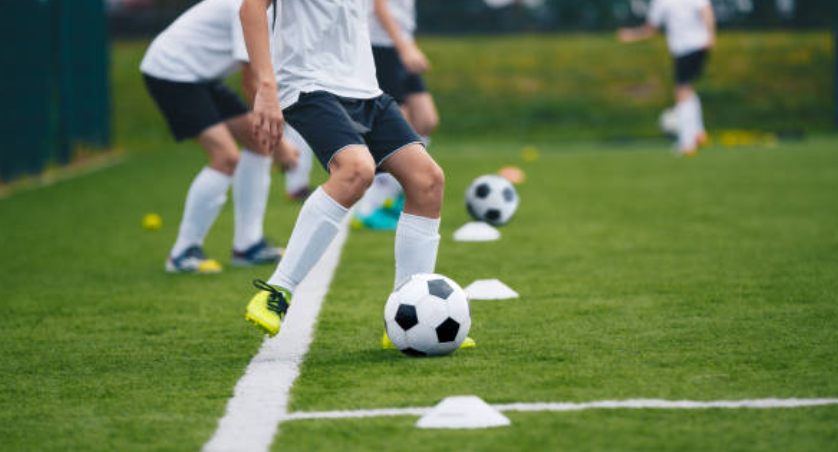
Step 4: Increase sport-specific demands gradually
A useful progression often moves through several stages:
- General activity: Comfortable walking, cycling or other low-load activity when permitted.
- Individual drills: Controlled movement patterns at low speed and intensity.
- Higher-speed drills: Faster running, jumping, throwing or direction changes as appropriate.
- Non-contact practice: Sport-specific sessions without full competitive pressure.
- Full practice and competition: Return only when clinical and functional criteria are met and the athlete is ready.
Not every sport or injury follows the same sequence. The stages may need to be repeated or adjusted if pain, swelling or loss of function returns.
Step 5: Check readiness—not just pain
A return-to-sport decision may consider:
- Pain and swelling during activity and over the following day.
- Joint range of motion and stability.
- Strength and endurance compared with the other side or pre-injury level.
- Balance, coordination, hopping, landing or agility when relevant.
- Ability to complete sport-specific drills at the required intensity.
- Confidence and psychological readiness.
- The demands and contact level of the sport.
There is no single test or percentage that is suitable for every injury. A clinician should interpret test results in the context of the athlete and sport.
Common mistakes to avoid
- Returning because an important match is approaching.
- Stopping physiotherapy as soon as pain decreases.
- Increasing training volume, speed and intensity all at once.
- Ignoring swelling or pain that appears later after exercise.
- Skipping warm-up, strength work or recovery days.
- Comparing recovery with a teammate who had a different injury.
When should training be reduced or stopped?
Stop the activity and seek advice if there is sharp or increasing pain, new swelling, giving way, locking, a sudden loss of strength, altered walking or symptoms that remain worse after training. New deformity, inability to bear weight or severe symptoms after trauma require prompt medical assessment.
Frequently Asked Questions
How long after an injury can I return to sport?
It depends on the injury, severity, treatment and sport. A fixed calendar date cannot replace an assessment of healing, strength, movement and sport-specific function.
Can I play if I have no pain?
Not necessarily. Pain is only one part of readiness. Strength, balance, control, endurance and confidence may still need rehabilitation.
Do I need physiotherapy before returning?
Many injuries benefit from a structured rehabilitation plan. The need and duration depend on the injury and the athlete’s function.
Should I wear a brace when I return?
A brace may be recommended for selected injuries or sports, but it does not replace healing, strength and movement training. Follow advice specific to your injury.
What if pain returns after practice?
Reduce or stop the activity and review the training load with your clinician or physiotherapist. Persistent or worsening symptoms need reassessment before progressing.
Conclusion
Returning to sport safely means rebuilding capacity in stages and confirming that the athlete can tolerate the actual demands of the activity. A well-planned programme balances recovery, strength, sport-specific training and confidence.
For persistent pain, instability or difficulty progressing after a sports injury, an orthopaedic assessment can help guide diagnosis and rehabilitation. Dr. Abhishek Agarwal provides orthopaedic evaluation for sports injuries in Siliguri. Learn more about Sports Injuries, Arthroscopy and Physiotherapy.
Further reading: Team Physician Consensus Statement: Return to Sport/Return to Play (2023 update)
